Shopify SEO Services: Complete Guide for Store Owners

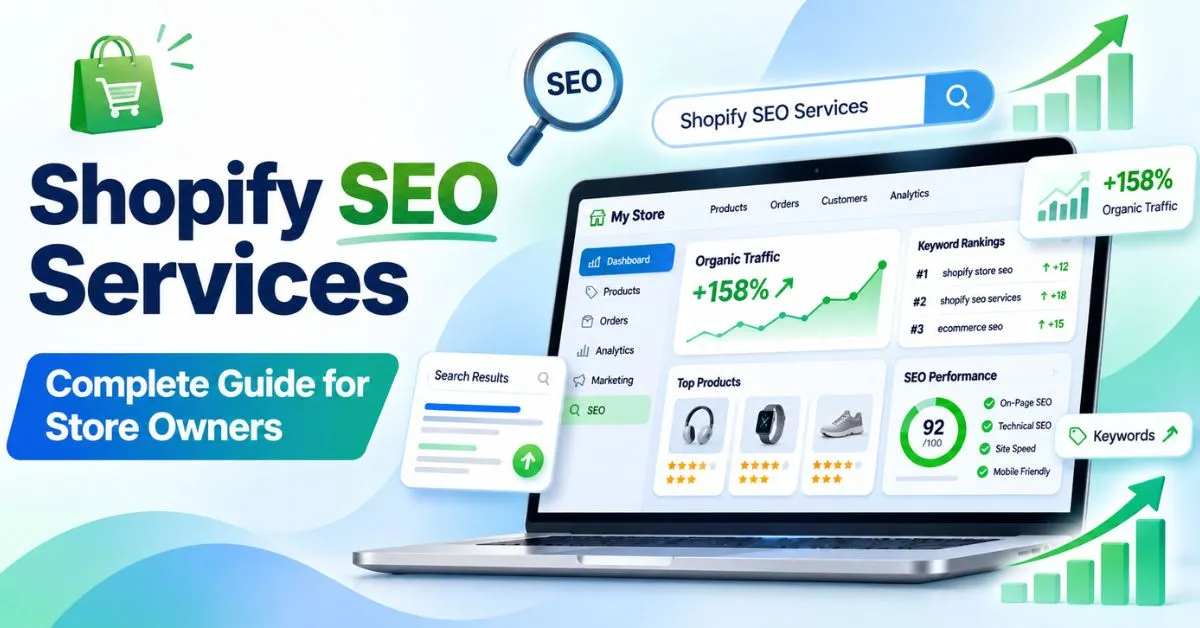
Running a Shopify store is a convenient way to build an online business, but simply launching a store does not guarantee that customers will find your products on Google. With thousands of ecommerce businesses competing for attention, store owners need a strategic approach to improve search visibility, attract qualified visitors, and generate consistent organic sales.
This is where Shopify SEO services become valuable. When prospective buyers search for your products, search engine optimization makes your store show up in pertinent search results. From keyword research and technical improvements to product page optimization and link building, a well-planned SEO strategy can help your Shopify business build sustainable online visibility.
Whether you are launching a new Shopify store or trying to grow an established ecommerce business, understanding how Shopify SEO works can help you make better marketing decisions.
In this guide, we will explain what professional Shopify SEO involves, which optimization strategies matter most, how much SEO services cost, and how to choose the right SEO partner for your business.
What Are Shopify SEO Services?
Shopify SEO services are professional search engine optimization solutions designed to improve a Shopify store’s visibility in organic search results. These services focus on helping search engines understand your website while making it easier for potential customers to discover relevant products and categories.
Unlike general website SEO, Shopify optimization requires an understanding of the platform’s structure, including product pages, collection pages, URL patterns, themes, apps, and ecommerce functionality.
A professional Shopify SEO strategy typically includes keyword research, technical SEO, on-page optimization, content development, internal linking, and link building. These activities work together to improve the overall search performance of an online store.
Understanding Shopify Search Engine Optimization
Shopify search engine optimization involves improving different elements of your store so that search engines can crawl, understand, and potentially rank your pages for relevant searches.
For example, if you sell running shoes, you may want your collection page to appear when someone searches for “men’s running shoes.” Individual product pages may also target more specific searches based on product names, features, or brands.
Effective Shopify store SEO optimization connects the right keywords with the right pages. It also improves website usability, page quality, mobile experience, and technical performance.
How Professional Shopify SEO Services Work
Professional Shopify SEO services usually begin with a detailed website assessment. An SEO specialist examines your current website performance, identifies technical problems, researches relevant keywords, and evaluates competitors.
Based on these findings, the specialist develops an optimization strategy that may include:
- Improving product and collection page content.
- Fixing technical SEO and indexation issues.
- Optimizing page titles and meta descriptions.
- Improving website structure and internal linking.
- Creating useful blog content.
- Building relevant backlinks.
- Monitoring organic traffic, rankings, and conversions.
SEO is an ongoing process because search engine algorithms, competitors, and customer search behavior continue to change.
Shopify SEO vs. General Ecommerce SEO
General ecommerce SEO principles apply to most online stores, but Shopify has its own platform-specific features and considerations.
For example, Shopify uses predefined URL structures for products and collections. It also generates XML sitemaps and canonical tags automatically. SEO professionals need to understand how these features work and identify situations where additional optimization is necessary.
A specialist providing Shopify ecommerce SEO services should understand both general search engine optimization and the technical behavior of the Shopify platform.
Why Is SEO Important for Shopify Store Owners?
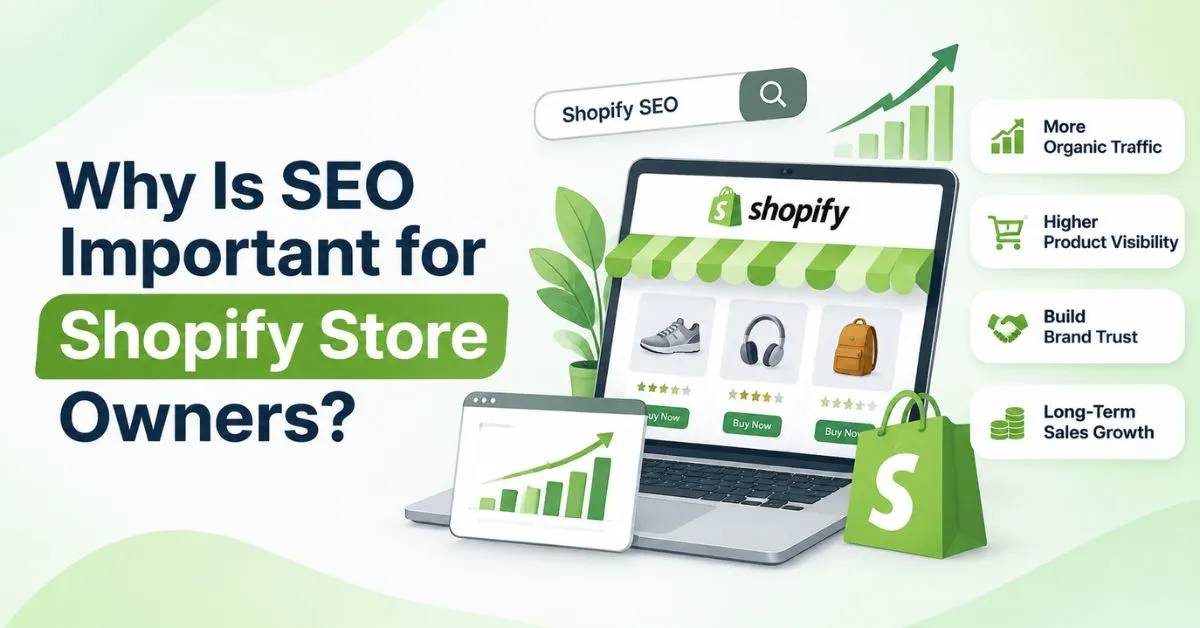
Organic search can become an important customer acquisition channel for ecommerce businesses. Instead of relying entirely on paid advertising or social media, SEO helps your products become discoverable when people actively search for relevant information or products.
Here are several reasons Shopify store owners should invest in SEO.
Increase Organic Traffic Without Depending Only on Ads
Paid advertising can generate traffic quickly, but visitors generally stop arriving through an advertising campaign when spending ends.
SEO takes time to develop, but optimized pages can continue attracting organic visitors after the initial work is completed. Over time, this presents a chance to lessen reliance on paid acquisition.
Reach Customers With Purchase Intent
People searching for specific products often have a clear idea of what they want. For example, someone searching for “buy waterproof hiking boots” may be closer to making a purchase than someone searching for general outdoor footwear information.
Targeting relevant commercial and transactional keywords helps your Shopify store reach audiences who are more likely to explore your products.
Improve Product and Collection Visibility
Product and collection pages are central to ecommerce SEO. Optimizing these pages helps search engines understand what you sell and which searches are relevant to your products.
A well-structured collection page can target broader category searches, while individual product pages can attract customers looking for specific items.
Build Brand Authority and Customer Trust
Appearing consistently in relevant search results can help customers become familiar with your business. Helpful product information, useful articles, genuine customer reviews, and a professional website experience also contribute to customer confidence.
Support Long-Term Ecommerce Growth
SEO connects your products with people actively searching for them. As your store expands, you can target additional product categories, new search terms, and different customer needs.
Although results are not guaranteed, a consistent SEO strategy can support long-term organic visibility and business growth.
What Is Included in Professional Shopify SEO Services?
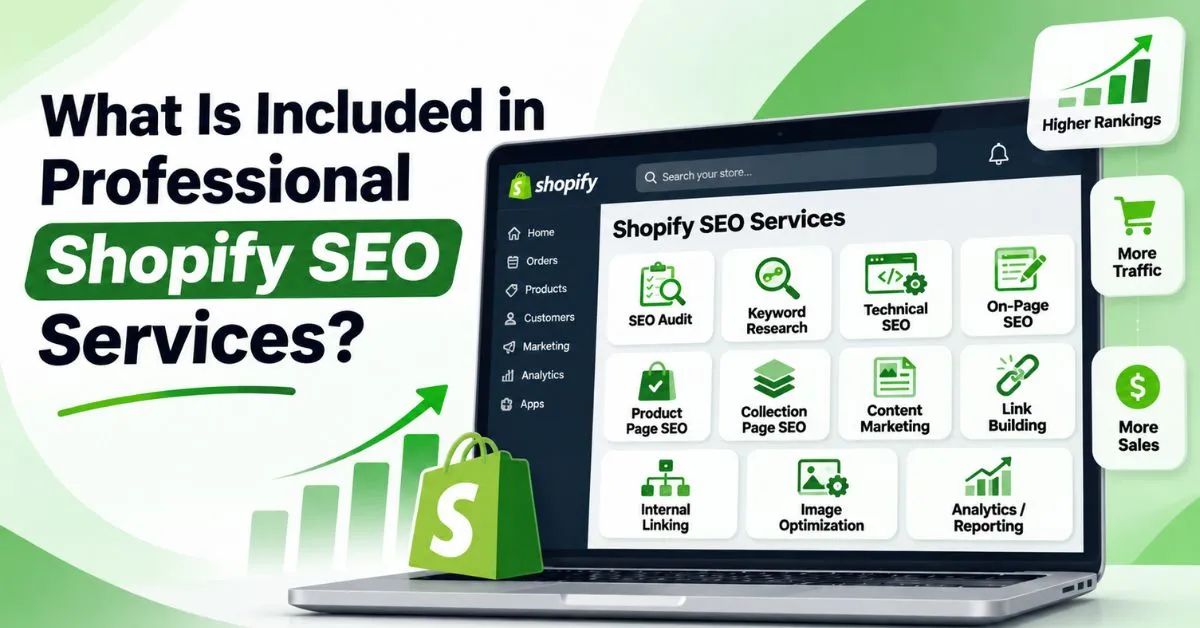
A complete SEO strategy includes several connected activities. The exact work depends on your store’s size, technical condition, competition, and business objectives.
Here are the most important services store owners should expect from a professional SEO provider.
Shopify SEO Audit and Website Analysis
A Shopify SEO audit identifies issues that may prevent your website from performing effectively in search results.
Professional Shopify SEO audit services typically examine:
- Website crawlability and indexation.
- Existing keyword rankings and organic traffic.
- Product and collection page optimization.
- Duplicate content and canonicalization.
- Broken links and redirect issues.
- Page titles, meta descriptions, and heading structure.
- Mobile usability and page performance.
- Internal linking and website architecture.
- Competitor SEO performance.
An audit should provide actionable recommendations rather than simply presenting a list of technical errors. It helps prioritize improvements based on their potential business impact.
Shopify Keyword Research and Search Intent Analysis
Keyword research identifies the words and phrases potential customers use when searching for products, brands, and solutions.
A professional SEO specialist researches search volume, competition, keyword relevance, and user intent before assigning keywords to different pages.
For example:
| Search keyword | Search intent | Recommended page |
| Running shoes | Commercial | Collection page |
| Buy men’s running shoes | Transactional | Collection page |
| Best running shoes for beginners | Informational | Blog post |
| Waterproof running shoes | Commercial | Collection page |
| Nike running shoe model name | Transactional | Product page |
Keyword mapping helps prevent multiple pages from competing unnecessarily for the same search terms.
It also helps store owners discover long-tail keyword opportunities that may attract more specific and relevant visitors.
Shopify Technical SEO Optimization
Technical SEO improves how search engines access, crawl, interpret, and index your Shopify website.
Professional Shopify technical SEO services may include:
- Reviewing XML sitemap configuration and submission.
- Checking robots.txt rules.
- Auditing canonical tags.
- Managing duplicate product and collection URLs.
- Reviewing redirect chains and broken links.
- Improving mobile performance.
- Evaluating Core Web Vitals.
- Checking structured data implementation.
- Identifying rendering and indexing problems.
Shopify automatically handles several technical SEO features, but automatic functionality does not eliminate the need for monitoring and optimization.
For example, product pages may be accessible through both product and collection-based URL paths. Search engines can determine the preferred version with the use of canonical tags, but incorrect implementation or conflicting signals may create confusion.
Shopify On-Page SEO Services
Shopify on-page SEO services focus on improving the content and HTML elements of individual website pages.
Important activities include:
- Writing unique SEO titles and meta descriptions.
- Optimizing H1, H2, and H3 headings.
- Using relevant keywords naturally.
- Improving product and category descriptions.
- Adding descriptive image alt text.
- Creating meaningful internal links.
- Improving content readability.
- Aligning page content with search intent.
On-page optimization should help both search engines and visitors understand the purpose of each page.
Shopify Product Page SEO
Product pages are among the most important pages in an online store because they connect customers directly with the products they want to purchase.
Effective Shopify product page SEO involves optimizing product titles, descriptions, images, and supporting information.
For example, instead of using a generic product title such as “Running Shoes Model A,” a more descriptive title could be “Men’s Lightweight Running Shoes for Daily Training.”
Product descriptions should explain important features, materials, sizing, benefits, and other relevant purchasing information.
Other optimization activities include:
- Writing unique product descriptions.
- Optimizing product images and file sizes.
- Adding descriptive image alt attributes.
- Using relevant product keywords.
- Improving product navigation and internal links.
- Displaying genuine customer reviews.
- Checking product structured data and availability information.
The goal is to create informative product pages that help customers make purchasing decisions while providing search engines with clear information.
Shopify Collection and Category Page SEO
Collection pages organize related products into categories, making it easier for customers to browse your store.
For example, a clothing store may have collections for men’s shirts, women’s dresses, jackets, and accessories.
Shopify collection page SEO focuses on improving these pages so they can target broader product-category searches.
Optimization may include:
- Researching category-specific keywords.
- Writing descriptive collection titles.
- Adding useful collection descriptions.
- Optimizing metadata and headings.
- Improving product organization.
- Linking relevant products and related collections.
- Creating clear navigation pathways.
Avoid adding lengthy, repetitive descriptions simply to include more keywords. Collection content should provide useful context and improve the shopping experience.
Shopify Content Marketing and Blog SEO
Blog content helps Shopify stores attract visitors who are researching products, comparing options, or looking for solutions before purchasing.
A well-planned content strategy can target informational searches and connect readers with relevant product or collection pages.
For example, a skincare store could publish articles such as:
- How to Create a Dry Skin Skincare Program.
- Best Moisturizers for Sensitive Skin.
- Vitamin C Serum vs. Niacinamide.
- How to Choose the Right Sunscreen.
These articles can naturally link to relevant products and collections.
Content marketing should focus on answering customer questions, demonstrating product knowledge, and providing information that supports purchasing decisions.
Shopify Internal Linking and Site Architecture
Internal links connect different pages within your Shopify store. They help customers navigate your website and provide search engines with additional context about page relationships.
A useful ecommerce structure may connect:
- Homepage to main collections.
- Collections to relevant products.
- Blog posts to related collections.
- Product pages to complementary products.
- Related articles to other helpful resources.
A logical website architecture also helps visitors find products without unnecessary navigation steps.
Shopify Image SEO
Images are essential for ecommerce websites, but poorly optimized images can affect page performance and accessibility.
Shopify image SEO involves:
- Using descriptive image filenames.
- Writing meaningful alt text.
- Compressing images without unnecessary quality loss.
- Choosing appropriate image dimensions.
- Using modern image formats where supported.
- Avoiding unnecessarily large image files.
Descriptive alt text should explain what an image shows rather than repeat keywords unnaturally.
Shopify Link Building and Off-Page SEO
Off-page SEO helps strengthen your website’s reputation and authority through relevant external signals.
Professional link-building activities may include:
- Relevant industry publications.
- Editorial backlinks.
- Digital PR campaigns.
- Guest contributions to relevant websites.
- Competitor backlink analysis.
- Unlinked brand mention opportunities.
The focus should be on earning relevant, trustworthy links rather than purchasing large quantities of low-quality backlinks.
Local SEO for Shopify Businesses
Some Shopify businesses also operate physical stores, showrooms, or local service locations.
In these situations, local SEO can help connect the online store with customers searching for nearby products or businesses.
Activities may include Google Business Profile optimization, local landing pages, location-specific content, and consistent business information across relevant directories.
SEO Performance Tracking and Reporting
SEO performance should be measured regularly to understand which strategies are working.
An SEO reporting process may include:
- Google Search Console performance.
- Google Analytics 4 traffic analysis.
- Organic clicks and impressions.
- Keyword ranking trends.
- Product and collection page performance.
- Organic conversions and revenue.
- Technical SEO progress.
Tracking these metrics helps businesses make informed decisions and adjust their strategies as their stores grow.
Shopify Technical SEO: What Store Owners Should Know
Technical SEO is particularly important for Shopify because ecommerce websites often contain large product catalogs, multiple collection pages, product variants, and filtering options.
Crawlability and Indexation
Search engines need to discover and crawl important pages before they can consider indexing them. Review internal links, navigation, sitemap coverage, and indexation reports to identify important pages that may be difficult to discover.
XML Sitemap and Robots.txt
Shopify automatically generates an XML sitemap and provides a robots.txt file. Store owners should verify that important pages are accessible and that robots.txt rules are not unintentionally blocking valuable content.
Canonical Tags and Duplicate Content
Product variants and collection-based product URLs can create similar or duplicate page versions. Canonical tags help communicate which URL should be treated as the preferred version.
Page Speed and Core Web Vitals
Slow-loading pages can create a frustrating shopping experience. Review image sizes, unnecessary app scripts, theme code, and third-party resources. Monitor Core Web Vitals to identify performance problems.
Mobile-Friendly Store Performance
Many shoppers browse ecommerce stores on mobile devices. Responsive layouts, readable text, accessible navigation, and convenient checkout experiences are important for usability.
Structured Data and Product Schema
Structured data helps search engines understand product details such as price, availability, reviews, and product information when properly implemented. Validate your markup and ensure that structured data reflects visible, accurate page content.
How to Optimize Shopify Product Pages for Google
Product page optimization requires more than adding a keyword to the title. Each page should provide useful, unique information that matches what potential customers are searching for.
Product Keyword Research
Identify relevant product names, features, specifications, and buyer-focused search terms. Choose keywords based on relevance and search intent.
SEO-Friendly Product Titles and Descriptions
Create descriptive titles and original product descriptions. Include important specifications, benefits, materials, and other details customers need to make informed decisions.
Optimized Product Images and Alt Text
Use high-quality product photographs with appropriate compression. Add descriptive alt text that explains the image accurately.
Product Reviews and Relevant Structured Data
Genuine customer reviews can provide useful purchasing information. Where eligible, accurate review and product structured data may help search engines understand the page.
Product Variants and Duplicate URL Management
Review product variant URLs and canonical signals to avoid unnecessary duplication. Ensure that important product information is accessible and consistent.
Shopify Collection Page SEO: How to Rank Product Categories
Collection pages can attract customers searching for broader product categories rather than individual products.
Collection Keyword Targeting
Research category-level keywords that reflect what customers want to find. Assign each important collection a clear primary topic.
Collection Descriptions and Metadata
Write unique titles, meta descriptions, and useful collection descriptions. Explain what products are included and who may benefit from them.
Internal Links Between Collections and Products
Connect related collections and individual products through logical navigation and contextual links.
Collection Navigation and User Experience
Make it easy for shoppers to browse product categories. Filters, sorting options, and clear navigation can improve usability, but ensure that filter-generated URLs do not create unnecessary crawl and indexation problems.
Shopify SEO vs. Shopify PPC: Which Is Better?
Shopify SEO and pay-per-click advertising can both help ecommerce businesses attract potential customers, but they work differently.
SEO focuses on improving unpaid search visibility through website optimization, useful content, and authority building. PPC uses paid advertising placements to generate traffic while campaigns are active.
SEO generally requires ongoing effort and time before meaningful results develop. PPC can generate traffic more quickly, but costs continue as long as advertising runs.
For many ecommerce businesses, combining both approaches can be effective. Paid campaigns can support immediate product promotion, while SEO builds organic visibility and long-term search opportunities.
The right balance depends on your budget, competition, product margins, and business objectives.
How Much Do Shopify SEO Services Cost?
 The cost of Shopify SEO depends on several factors, including website size, competition, technical complexity, current search performance, and the scope of work required.
Some businesses need a one-time audit and technical improvements, while others require ongoing keyword research, content production, link building, and performance monitoring.
Factors That Affect Shopify SEO Pricing
Important pricing factors include:
- Number of products and collections.
- Website size and technical condition.
- Keyword competition.
- Content creation requirements.
- Backlink acquisition strategy.
- Number of target markets.
- Reporting and management requirements.
A store with hundreds of products and multiple international markets will generally require a different level of SEO support than a small store with a limited product catalog.
Monthly Shopify SEO Services
Many agencies offer ongoing monthly services because SEO requires continuous monitoring and improvement.
Shopify SEO cost per month may vary depending on the provider, market, deliverables, and competition. Rather than choosing a service based only on price, evaluate what work is included and whether it supports your business goals.
Shopify SEO Audit and One-Time Optimization
A one-time SEO project may be suitable for businesses that need a technical audit, metadata improvements, or a defined set of website corrections.
However, one-time optimization does not replace ongoing SEO monitoring and content development when continued growth is the objective.
Choosing Shopify SEO Packages
Shopify SEO packages may include different combinations of technical SEO, on-page optimization, keyword research, content marketing, and link building.
Compare deliverables carefully before selecting a package. The most suitable option is the one that addresses your store’s actual requirements and provides clear reporting.
How to Choose the Right Shopify SEO Agency
Choosing the right SEO partner is an important decision because the quality of the strategy and implementation can influence your store’s long-term search performance.
Check Ecommerce SEO Experience
Look for an agency that understands ecommerce websites, product catalogs, collection structures, and online shopping behavior.
Review SEO Audit and Strategy Processes
A reliable provider should evaluate your website before recommending a strategy. Ask how it identifies technical problems, researches keywords, and prioritizes improvements.
Ask About Technical Shopify SEO Expertise
Your SEO partner should understand Shopify-specific issues, including canonical URLs, product variants, robots.txt, theme performance, and app-related scripts.
Understand Reporting and Communication
Choose a provider that explains its work clearly and shares meaningful performance reports. You should understand what has been completed, what needs improvement, and what happens next.
Avoid Guaranteed Ranking Promises
No agency can guarantee specific Google rankings. Be cautious of providers promising instant results, guaranteed first positions, or unrealistic traffic growth.
Shopify SEO Freelancer vs. Agency: Which Should You Hire?
Store owners often compare hiring a Shopify SEO freelancer with working with an agency.
A Shopify SEO freelancer may be suitable for smaller projects, individual optimization tasks, or businesses with limited SEO requirements. However, one person may not have the capacity to manage every aspect of a complex ecommerce campaign.
A Shopify SEO agency can provide access to different areas of expertise, such as technical SEO, content development, keyword research, and link building.
When deciding whether to hire a Shopify SEO freelancer or agency, consider your store’s size, project complexity, budget, and long-term requirements.
The right choice is not necessarily the largest provider. It is the partner with the skills, processes, and resources needed to support your business.
Store owners should also review Google’s ecommerce SEO best practices to understand how search engines discover and interpret product information.
Why Choose Seovelix for Shopify SEO Services?
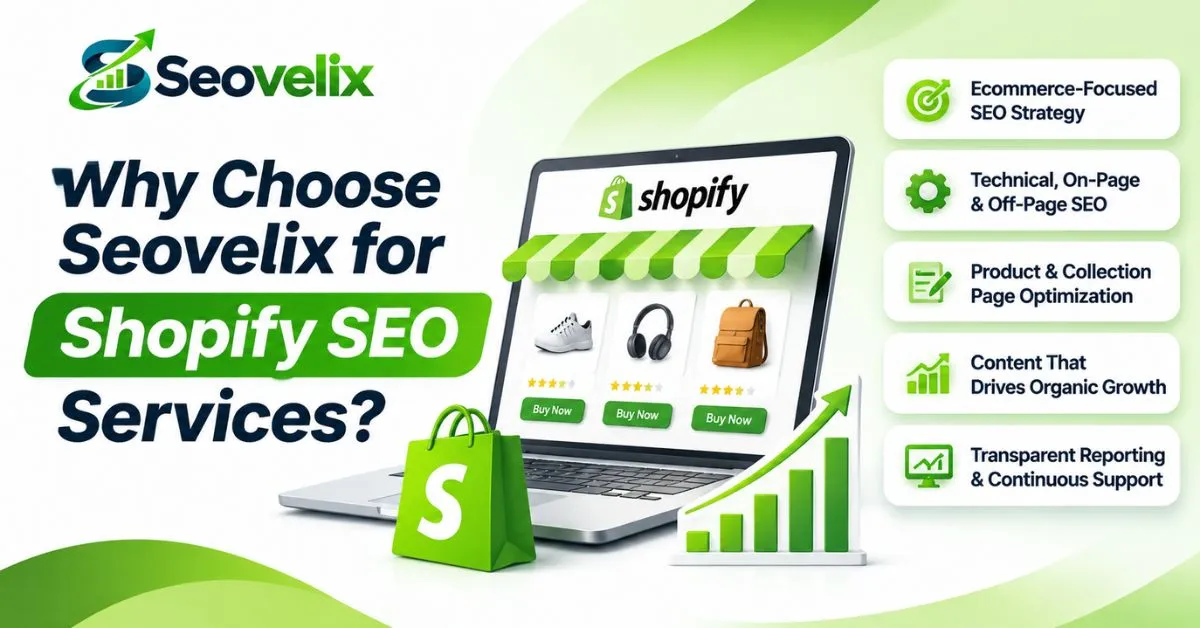
Growing a Shopify store requires more than publishing products and waiting for customers to discover them. It requires a structured SEO strategy that connects your products with relevant searches and improves the overall shopping experience.
At Seovelix, we focus on helping businesses strengthen their online visibility through strategic search engine optimization.
Our approach combines technical improvements, keyword research, on-page optimization, content strategy, and authority building to support ecommerce growth.
Strategic Ecommerce SEO Approach
We focus on understanding your products, target audience, competitors, and business objectives before developing an optimization strategy.
Technical, On-Page, and Off-Page SEO
From identifying technical issues to improving product descriptions and developing relevant backlink opportunities, we consider the different factors that contribute to organic search performance.
Content and Organic Growth Strategy
We help identify relevant content opportunities that connect informational searches with your products and collections.
Data-Driven SEO Monitoring and Reporting
Performance monitoring helps identify opportunities, evaluate progress, and guide future optimization decisions.
SEO Strategies Aligned With Business Goals
Every Shopify store has different requirements. Our goal is to develop an SEO approach that supports your business objectives rather than relying on generic optimization checklists.
If you want to improve your Shopify store’s organic visibility, explore our professional SEO services and discover how Seovelix can support your ecommerce growth.
Frequently Asked Questions About Shopify SEO Services
1. What are Shopify SEO services?
Shopify SEO services are optimization solutions designed to improve a Shopify store’s visibility in organic search results. They typically include keyword research, technical SEO, product and collection page optimization, content marketing, internal linking, and link building.
2. How do I improve SEO for my Shopify store?
Start by researching relevant keywords and optimizing your product and collection pages. Improve website speed, mobile usability, internal linking, and technical SEO. Publish useful content and monitor your performance through Google Search Console and Google Analytics 4.
3. How much do Shopify SEO services cost?
Shopify SEO pricing depends on website size, competition, technical requirements, and the services included. Some businesses need one-time optimization, while others benefit from ongoing monthly SEO management. Request a customized proposal based on your store’s requirements.
4. Is hiring a Shopify SEO expert worth it?
Hiring a Shopify SEO expert can be worthwhile if you lack the technical knowledge or time to manage optimization yourself. An experienced specialist can identify website issues, develop keyword strategies, and improve important product and collection pages.
5. What does a Shopify SEO agency do?
A Shopify SEO agency evaluates your website, researches keywords, improves technical and on-page SEO, optimizes product and collection pages, develops content strategies, and monitors organic search performance. The objective is to improve relevant search visibility and support business growth.
6. How long does Shopify SEO take to show results?
SEO does not produce guaranteed results within a fixed period. Some improvements may become visible within weeks, while meaningful ranking and traffic growth can take several months or longer. Competition, website condition, content quality, and implementation all influence the timeline.
7. What is included in a Shopify SEO package?
A Shopify SEO package may include an SEO audit, keyword research, technical optimization, metadata improvements, product and collection page SEO, content development, internal linking, link building, and performance reporting. Deliverables vary between providers.
8. How can I rank Shopify products on Google?
Use relevant product keywords, descriptive titles, unique product descriptions, optimized images, and helpful purchasing information. Ensure your product pages are crawlable and indexable, use appropriate structured data, and connect them through relevant internal links.
9. How do I optimize Shopify product and collection pages?
For product pages, focus on product-specific keywords, unique descriptions, images, specifications, and relevant reviews. For collection pages, target broader category keywords, create useful descriptions, improve navigation, and link to relevant products.
10. What are the most important Shopify SEO factors?
Important Shopify SEO factors include search intent, keyword relevance, helpful content, technical accessibility, page quality, mobile usability, internal linking, website performance, and relevant external links. No single factor guarantees search rankings.
11. Can Shopify SEO services increase organic sales?
Yes, effective Shopify SEO services can help attract relevant visitors who are actively searching for your products. When combined with strong product information, competitive pricing, and a good shopping experience, organic traffic can contribute to increased sales. However, results depend on several business and market factors.
12. Should I hire a Shopify SEO freelancer or agency?
A freelancer may be suitable for smaller projects or specific optimization tasks. An agency may be a better choice when your store needs coordinated technical SEO, content marketing, keyword research, and link building. Compare experience, deliverables, communication, and budget before deciding.
Grow Your Shopify Store With Professional SEO Services
Your Shopify store has the potential to reach more customers through organic search, but achieving sustainable visibility requires the right strategy and consistent optimization.
From technical SEO and keyword research to product page improvements, content marketing, and link building, every part of your website should work together to support better search performance.
If you are looking for professional Shopify SEO services to improve your store’s visibility and attract more qualified organic traffic, Seovelix can help you develop a strategy aligned with your business goals.
Ready to strengthen your Shopify store’s organic presence? Contact Seovelix today to discuss your SEO requirements and explore opportunities for sustainable ecommerce growth.